 |
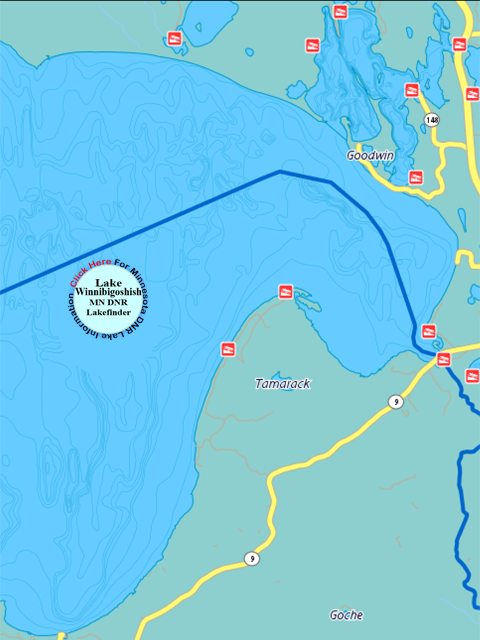
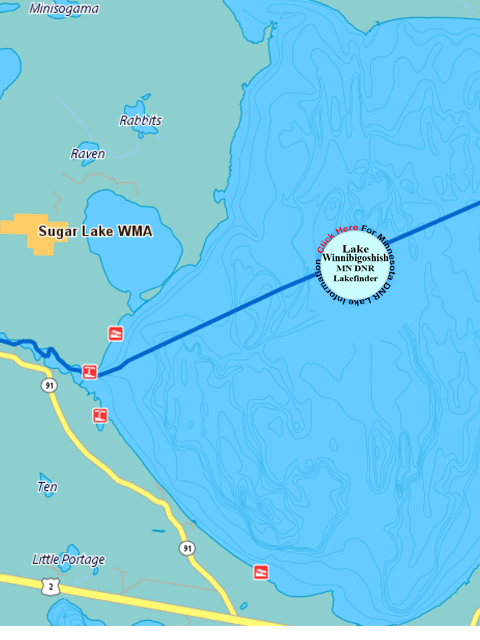
Lake Winnie, Northern Minnesota's Most Resilient Walleye Fishery? Also known as Lake Winnie, Big Winnie or most often just plain Winni, this gentle giant has long been one of Northern Minnesota's most productive and reliable fisheries. For those of us in the Deer River-Grand Rapids area; We know that when the chips are down, we head for Winnie! Located in North Central Minnesota’s Chippewa National Forest, this 55,000 acre lake is Big enough to provide lots of fishing opportunity, yet small enough to be manageable for folks with smaller boats and first time visitors. With miles of undeveloped shoreline and an abundance of wildlife, this easily accessible lake offers a look at Minnesota wilderness with a handy location. Minnesota’s most resilient Walleye fisheries have nothing on this lake. Not only does the "Lake Winnie Walleye Factory" generate enough Walleye production to meet the demand from anglers visiting the lake. Walleye eggs harvested each spring at the Cutfoot Sioux Egg Harvest Station, then hatched at the Grand Rapids Hatchery and eventually account for improved Walleye fishing in a bunch of Minnesota Walleye Fishing Lakes. Without the Walleye fry from the Cutfoot Sioux Walleye run, many Minnesota lakes simply wouldn’t have fishable Walleye populations. Thanks in part to a protected slot limit (Walleye 17 to 26 inches are returned), Big Winni offers folks an opportunity to catch both quality size Walleye and numbers of fish suitable for eating. Here are some seasonal rules of thumb that will swing the odds in your favor during your next fishing trip. Cool water period: On Winnie, Walleyes are routinely caught in water with an average depth of 10 feet or less and as shallow as 3 feet, especially during cool water periods like spring and fall when large schools of minnows roam these shallow flats. Windy days will typically enhance the shallower bite, calm days favor fishing in somewhat deeper water or in heavier cover like weed beds located along the shoreline. Because of these shallow water conditions, jig fishing is often the preferred method and light equipment has been accepted as the standard for most of the top fishermen on the lake. Click on Map Images for links. Click on lake name for link to the Minnesota DNR Lakefinder. The link will jump directly to the Lake Winnibigoshish Information Page . |
|
Longer rods like 6-1/2 to 7 footers in light or even ultra light actions, light line of 6 pound or even 4-pound test and jig weights between 1/16 ounce and ¼ ounce are the preferred sizes. Most folks tip the jigs with minnows, but don’t overlook using lightweight jigs with night crawlers or leeches. You’ll hear a lot about Shiners when you visit the area and even though I agree that those shiner minnows are a good bet for Winnie Walleyes, good size fatheads, rainbows and dace are also great choices. For my money, the size is more important than the type of minnow that you choose. Try to get minnows in the 3-inch range and you’ll usually be successful. Warm Water Period: During summer, large numbers of Walleye move from Winnie’s shoreline out toward the main lake bars and reefs where hatching insects set up an entirely new food supply that lasts for most of the mid-summer. Fish now inhabit the edges of these structures in water depths from 14 to 30 feet. Now more traditional fishing gear performs well. Six to six and a half foot rods in light to medium actions, slip sinker rigs like the traditional Lindy rig with medium length leaders of about five feet tipped with lively leeches or night crawlers will get you in the zone most of the time. Spinners, crankbaits and heavier jigs will also produce fish during summer and you should always experiment because changing weather conditions will affect day to day preferences. Known also for its Jumbo Perch fishing, Lake Winnie has produced untold millions of these scrappy and delicious fish. Perch are perfect for introducing youngsters to the sport of fishing and have entertained entire families of fisher-folks during summer and winter alike. Yellow Perch are abundant and available in such a wide variety of locations that almost anyone can find enough fish for a great meal at any time of the year. During early summer, folks will locate and catch plenty of Perch as they the search for Walleye. Under these circumstances, you can catch plenty of Perch without going out of your way to find them. Jig and minnow combinations provide good action and a live bait rig with a short leader of about 3 feet tipped with a lively minnow will entice light biters. As the water warms, Perch seek out locations where Crayfish abound. Mixed gravel and weeds, light rock and other hard bottom areas are key locations. Perch are especially active on these locations after the hatch of young of the year Crawfish and will remain here until the food supply is diminished. Eventually cooler weather draws Perch toward the shallow water where they, with the Walleye will resume feeding on schools of shallow water minnows. During winter, Perch are highly sought after and the patterns are similar to the summer patterns. Early winter, look for Perch in the shallows, during mid winter search the main lake and in late winter/early spring, head back to the shallows. |
Another favorite among Lake Winnie anglers is the Northern Pike. Big Winni Pike are plentiful and at key times during the season, quality Pike move into areas where savvy anglers can get a chance at a trophy. During peak Walleye times, most anglers catch all of the Pike they want on jigs, spinners or crankbaits while fishing for Walleyes. Larger Northern Pike spend lots of their time looking for cool water and feed on open water forage like Cisco (Tulibee), Suckers and large Lake Shiners. During late summer and fall these prime forage species move toward the shoreline and folks with an urge to catch a big one, have their chance. Winter provides even more opportunities for folks who like to chase Pike on hard water. During spring and early summer, Pike will roam the shallow water drop off areas where schools of Walleye, Perch and Suckers recovering from spawning, feed heavily on shallow water forage. Casting large spoons along the drop off from 5 to 8 feet of water will produce active Pike. Jig and minnow combinations rigged with a heavy monofilament leader will capture less active Pike that lurk closer to the bottom. As the water warms and forage moves deeper, the best Pike fishing will be found on the deeper edges of main lake bars. A live bait rig or a live bait spinner rig tipped with a larger Sucker, Golden Shiner or Creek Chubb will catch these deeper Pike. During late summer and early fall, Pike will return to the shallow water wherever good weedbeds are present. Now is the time for speed trolling or casting. Large spoons, Bucktail baits and Musky size jerkbaits will trigger larger Pike and there is always likelihood of tagging a nice Musky during the trip. Forage fish especially Tulibee, will move onto miles of mid depth flats in 12 to 18 feet of water in late summer. When Pike seem to disappear from the weeds, be sure to check these flats. Trolling with live bait spinners and large minnows or large, deep diving crankbaits to help you trick a Pike while they live on these flats. Winnibigoshish still claims the Minnesota State Record Musky. Hardly considered a lake with high numbers of Muskies, Winnie’s claim to fame is the above average size. Most folks who fish Musky on the big lake enjoy catching fish in the mid 40 inch range with numbers of fish over 50 inches caught and released every season. Panfish are present on the big lake, but usually in small numbers and in offbeat locations. Most folks seeking Bluegill or Crappie venture into Cutfoot Sioux or Little Cutfoot Sioux where both can be found in excellent numbers and quality size. Winnibigoshish could easily be one of the top ten most reliable fishing lakes in Minnesota. For flexible anglers looking for variety of fishing opportunities, there’s almost always something to do. The lake offers plenty of good fishing locations and excellent scenery. |
|
|
|
| See More Fishing Articles, Fishing Reports and Fishing Videos click >> Fishing Archives Section . | |
Home | Current Fishing Report | Fishing Report Archives | Favorite Lakes | Fishing Articles Section | Fishing Pictures | Recipes | Rates Services | Gift Certificates | Contact Us | For Sale | Links | Sitemap |
The Early Bird Fishing Guide, Jeff Sundin - 44076 Co Rd 128, Deer River, MN 56636
218-246-2375 Email copyright©2013 Jeff Sundin All Rights Reserved  Web Design last revised 4-21-2013